
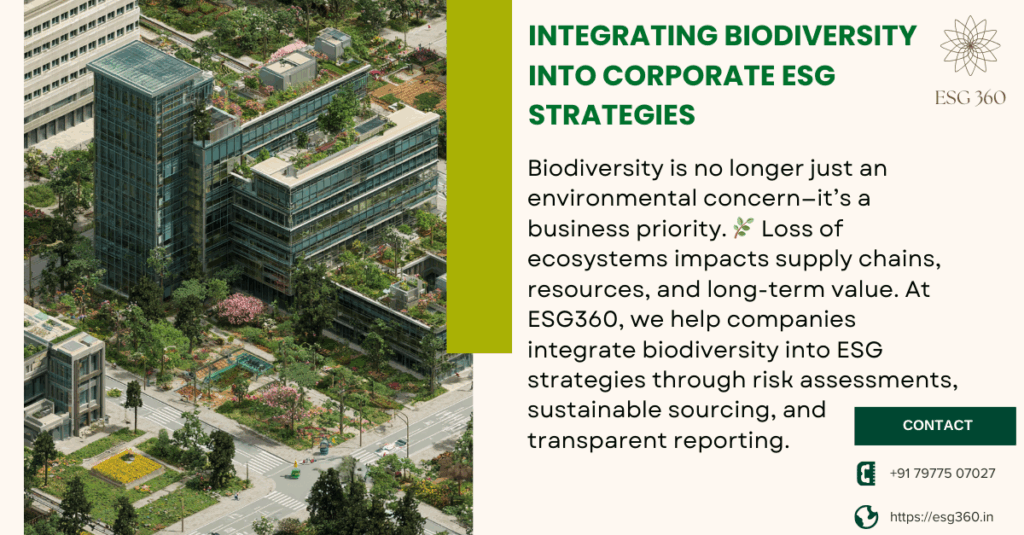
Introduction: Why Biodiversity Matters for Businesses
Biodiversity, defined as the variety of life forms on Earth, including plants, animals, microorganisms, and ecosystems is the invisible backbone of ecological balance and human well-being. It ensures ecosystem services such as clean air, pollination, water purification, and nutrient cycling, which in turn support agriculture, healthcare, and industrial sectors. Despite its critical role, biodiversity faces unprecedented threats from habitat loss, pollution, invasive species, climate change, and unsustainable resource extraction.
Historically, businesses have viewed biodiversity as an environmental concern peripheral to their operations. However, this perception is rapidly changing. As investors increasingly assess environmental, social, and governance (ESG) performance, companies are realizing that biodiversity loss directly impacts supply chains, raw material availability, reputational risk, and long-term profitability. Agriculture, pharmaceuticals, construction, and food industries are especially vulnerable, as their operations depend on ecosystem stability.
With global initiatives such as the Convention on Biological Diversity (CBD), Science Based Targets for Nature (SBTN), and Taskforce on Nature-related Financial Disclosures (TNFD) gaining traction, integrating biodiversity into corporate ESG strategies is no longer optional.
Biodiversity as a Business Priority
Loss of biodiversity can disrupt ecosystems, leading to reduced productivity, supply shortages, and escalating operational costs. For example, declining pollinator populations threaten agricultural yields, while deforestation affects water availability and soil stability. The pharmaceutical industry depends on biological diversity for discovering novel compounds, while the construction sector relies on sustainably sourced materials.
Investors and regulators are now factoring nature-related risks into their assessments. A company’s inability to mitigate its ecological impact can result in increased financing costs, regulatory penalties, or loss of consumer trust. Conversely, organizations that proactively manage biodiversity-related risks demonstrate resilience, innovation, and responsible governance qualities that enhance brand value and attract long-term investment.
How Biodiversity Fits into ESG Frameworks
Integrating biodiversity into ESG strategies requires a structured approach that begins with identifying the company’s ecological footprint and ends with transparent reporting and accountability mechanisms.
- Conducting Biodiversity Risk Assessments
The first step involves assessing how a company’s operations, supply chains, and procurement practices impact biodiversity. This includes mapping dependencies on natural resources, evaluating potential harm to ecosystems, and identifying regions vulnerable to habitat destruction or pollution.
Tools such as biodiversity footprint analysis, supply chain mapping, and ecosystem service valuation are increasingly being used to understand risk exposures and operational vulnerabilities.
- Conservation and Restoration Initiatives
Beyond risk management, companies are investing in projects that actively conserve biodiversity. These efforts range from protecting natural habitats and wetlands to supporting reforestation initiatives and pollinator corridors. Restoration projects not only offset negative impacts but also help build relationships with local communities and regulators.
Collaborative partnerships with NGOs, academic institutions, and government bodies enable businesses to scale conservation efforts while contributing to broader ecological resilience.
- Sustainable Sourcing and Circularity
Integrating biodiversity into procurement processes ensures that raw materials are sourced without degrading ecosystems. Certification programs like Forest Stewardship Council (FSC), Roundtable on Sustainable Palm Oil (RSPO), andMarine Stewardship Council (MSC) offer frameworks for responsible sourcing.
Circular economy principles like reusing waste products, designing for longevity, and reducing packaging further enhance biodiversity outcomes by lowering demand for new resource extraction.
- Stakeholder Engagement
Biodiversity efforts require multi-stakeholder collaboration. Effective biodiversity governance involves engaging local communities, supply chain partners, investors, and regulatory bodies. Public participation, awareness campaigns, and transparent communication build trust while ensuring that ecological interventions are contextually relevant and culturally sensitive.
- Transparent Reporting and Disclosure
Biodiversity metrics are increasingly becoming a central feature in ESG reporting. Frameworks like GRI Standards, SBTN, and TNFD offer guidelines for disclosure, helping companies articulate their nature-related risks and impact mitigation strategies.
Integrating biodiversity into ESG reports signals accountability and builds credibility with global stakeholders while aligning with emerging regulations.
Case Studies: Biodiversity Integration in Practice
A Beverage Company’s Watershed Initiative:
A leading beverage company identified water scarcity as a critical risk in its production regions. By investing in watershed restoration and partnering with local communities, the company not only secured its water supply but also enhanced local biodiversity, improving access to clean drinking water for thousands.
A Pharmaceutical Firm’s Research Partnerships:
A global pharmaceutical company partnered with conservation NGOs to safeguard biodiversity hotspots in tropical regions, ensuring sustainable sourcing of medicinal plants while supporting community-led conservation projects.
A Construction Company’s Green Certification Strategy:
A major construction firm shifted to sourcing timber only from FSC-certified forests, ensuring that its raw materials are traceable and environmentally responsible, thereby reducing its ecological footprint and improving stakeholder confidence.
Conclusion
Biodiversity is no longer a background issue it is central to how businesses manage risk, build resilience, and create long-term value. Integrating biodiversity into ESG strategies helps organizations safeguard ecosystems, enhance supply chain stability, and meet evolving stakeholder expectations. With expertise in ecological assessment, sustainable sourcing, and transparent reporting, ESG360 empowers businesses to turn biodiversity conservation into a core pillar of their sustainability journey.